Description
Breaking the Silence: Developing a Pastoral Care Framework for Mental Health, Destigmatization, and Holistic Healing in South Asian Churches in North America
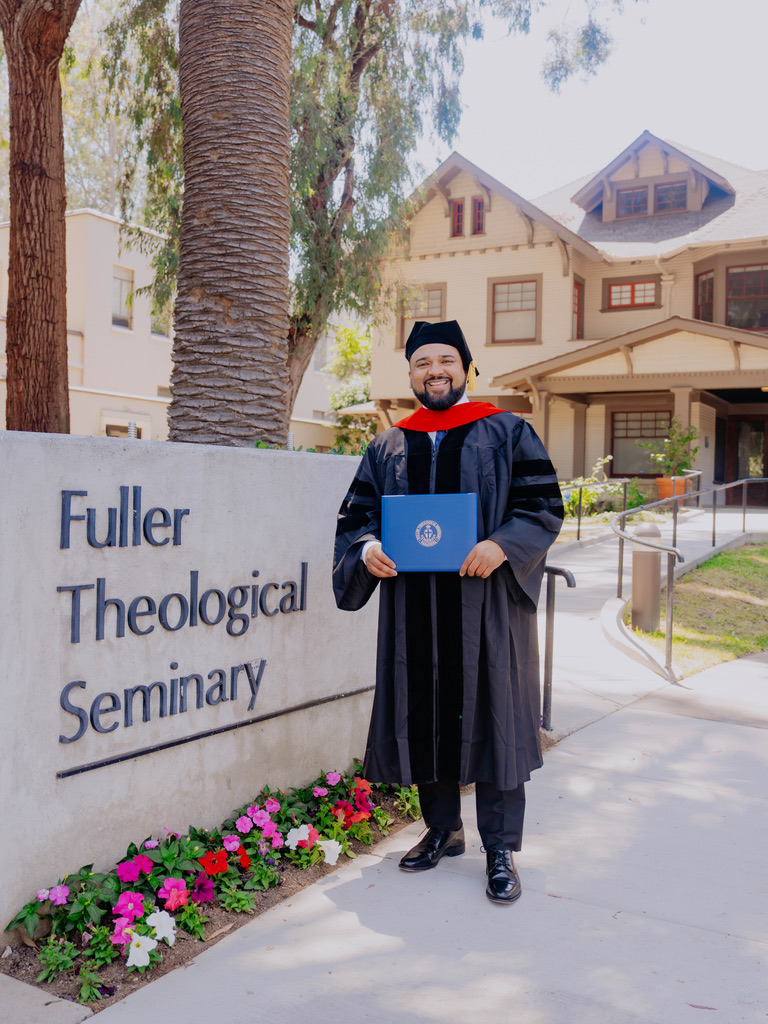
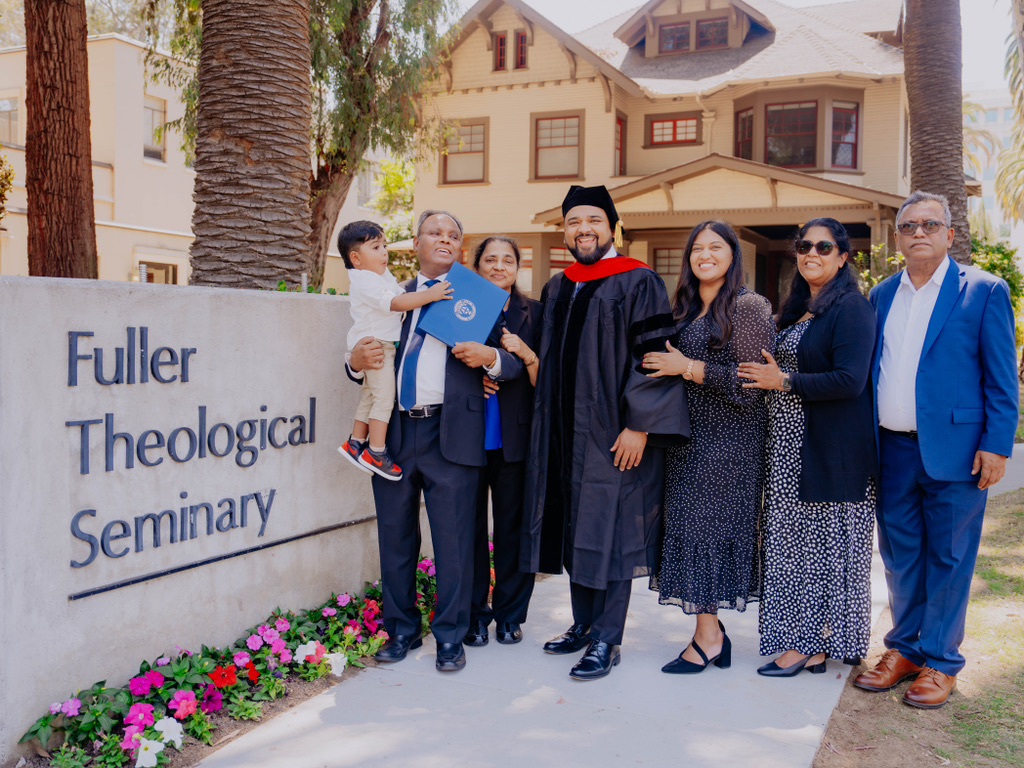
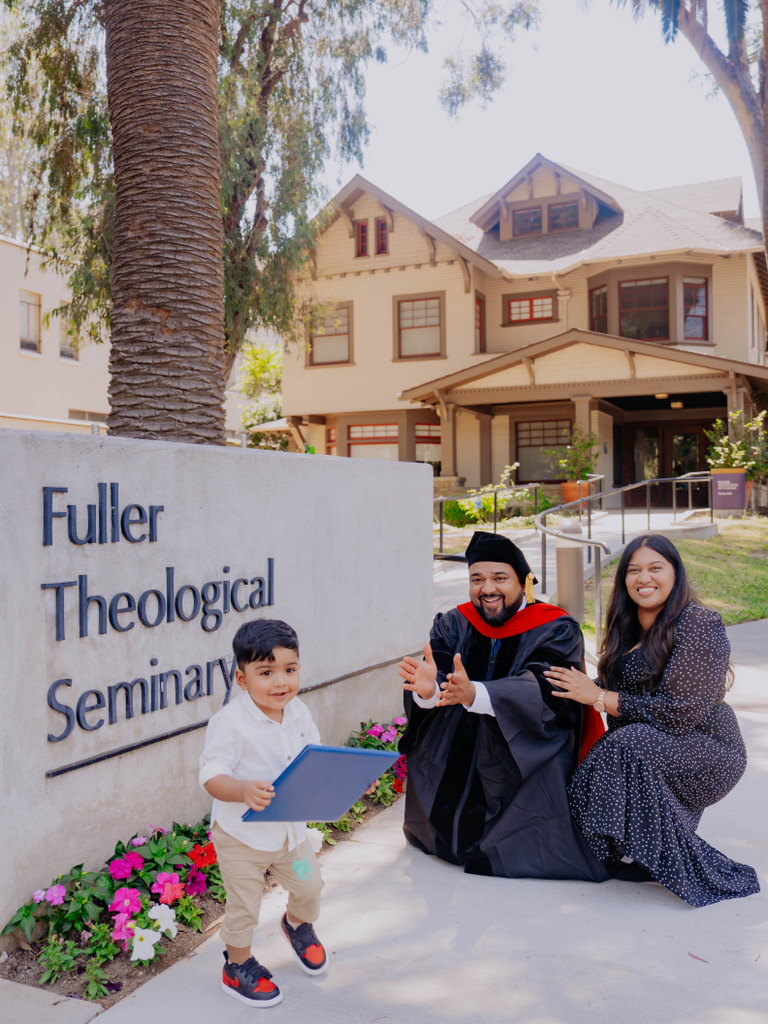
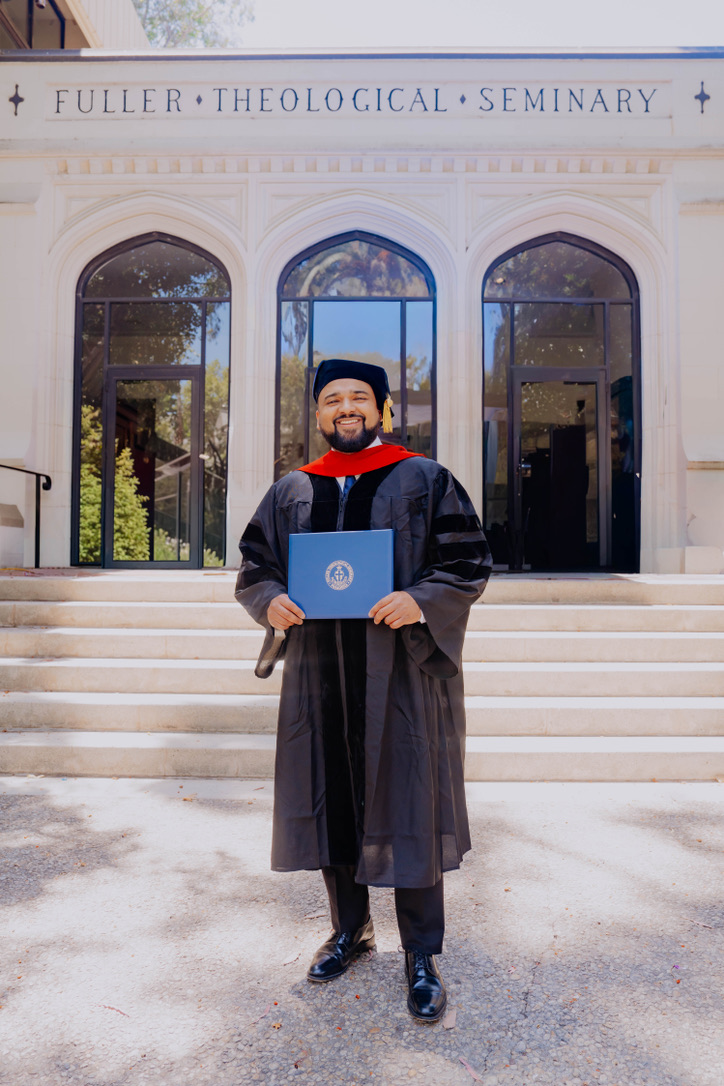
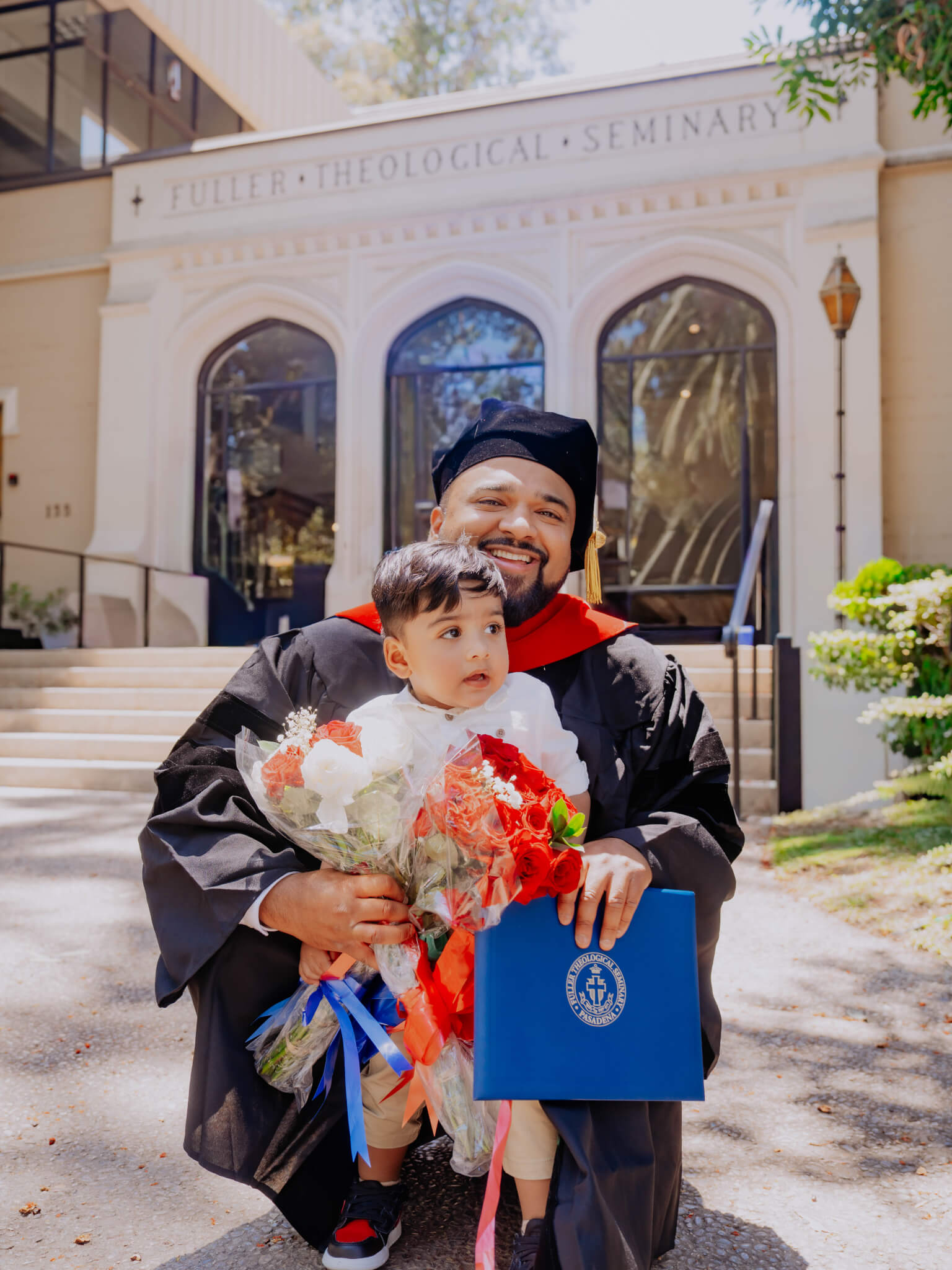
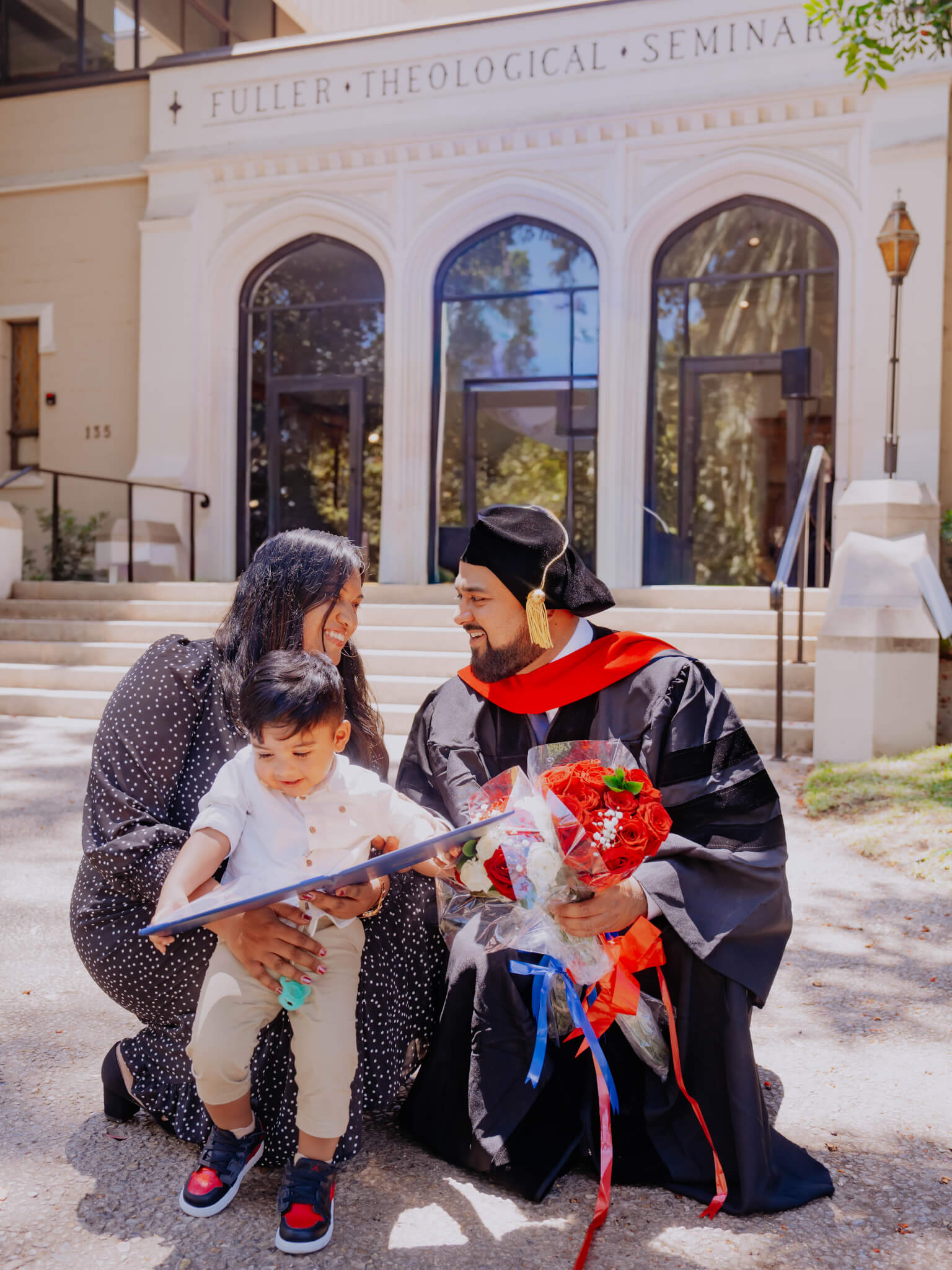
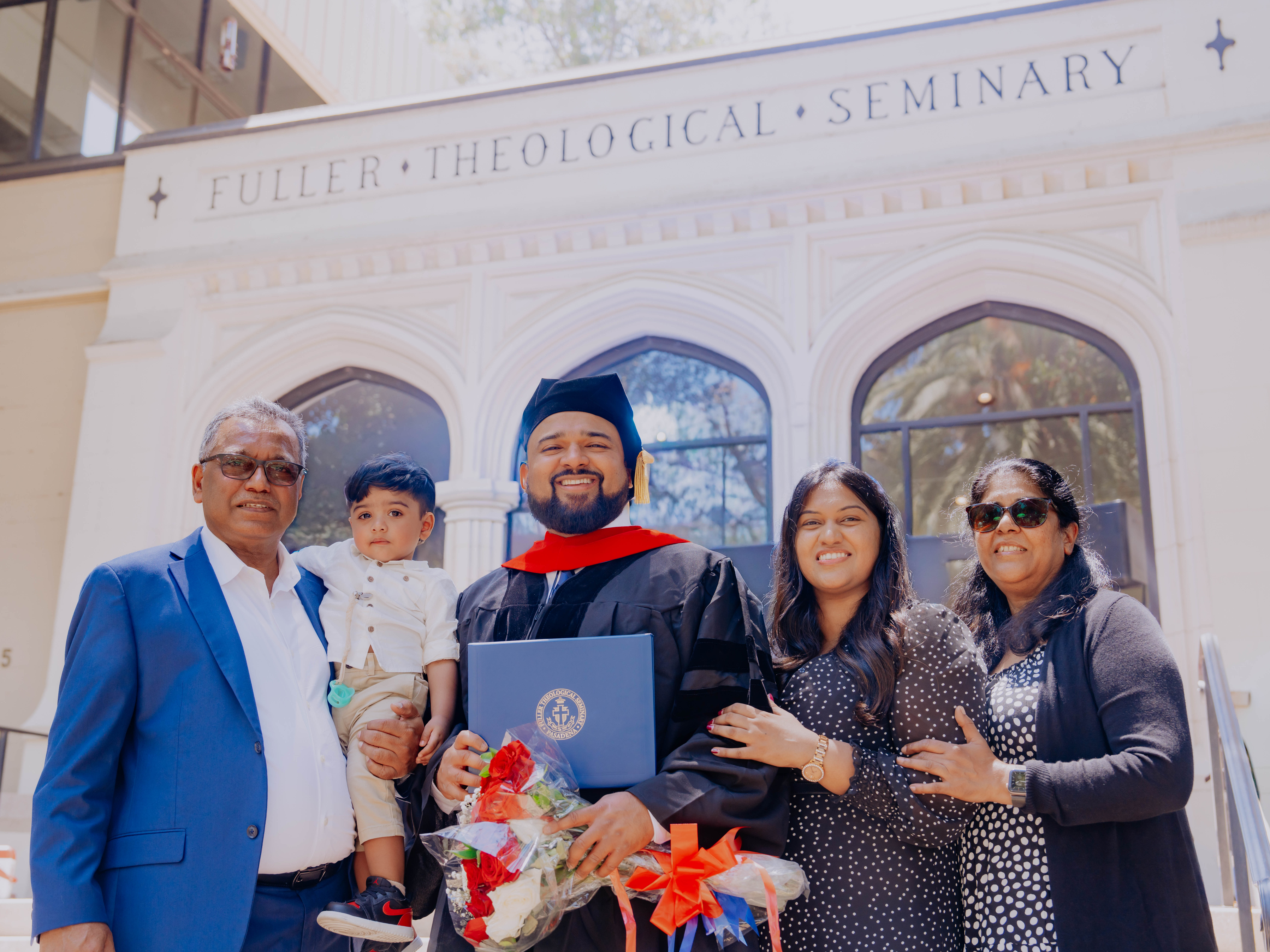
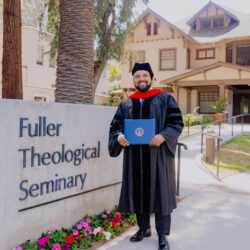
Dr. Lijo George, Doctor of Ministry,
Fuller Theological Seminary 2026
Abstract:
This doctoral project emerges from my personal and pastoral concern for the mental health challenges faced by South Asian (SA) communities in North America. Within many of these communities, mental health continues to be stigmatized, misunderstood, or ignored, often interpreted as a sign of spiritual weakness, moral failure, or a source of shame for the family. Through my ministry experience, I have witnessed how these beliefs, combined with migration stress, cultural expectations, and limited access to culturally competent care, prevent individuals from seeking help, leading to unnecessary suffering.
This project’s purpose is to equip pastors, church leaders, and congregations to better understand and respond to mental health needs within their communities. I seek to develop a pastoral care model that integrates spiritual practices with psychological and medical insights, moving beyond approaches that rely solely on prayer or spiritual deliverance. By fostering awareness and reducing stigma, I aim to help churches become safe and supportive spaces where individuals can openly address their struggles and pursue holistic healing.
This study engages theological reflection, cultural analysis, and current mental health research to construct a framework that is both biblically grounded and culturally relevant. Particular attention is given to the influence of honor and shame dynamics, as well as the gaps in pastoral training that often leave leaders unprepared to address mental health concerns effectively.
As part of this project, I propose practical ministry strategies, including training programs, educational workshops, and partnerships with mental health professionals. These initiatives are designed to help church leaders recognize signs of distress, offer appropriate care, and guide individuals toward professional support when needed. My hope is that South Asian churches transform into communities that reflect God’s care for the whole person—spiritually, emotionally, and psychologically—and that this model can be adapted to serve similar communities globally.
Content Reader: William D. Roozeboom, PhD
Why does mental health matter to the Gospel?
Finding Hope, Healing, and Wholeness in Christ for South Asian Communities
Mental health conversations are increasing throughout North America, yet many South Asians continue to suffer in silence.
For many families, emotional struggles are hidden because of shame, fear, cultural expectations, or misunderstandings about faith. Depression, anxiety, trauma, and suicidal thoughts are often viewed as weaknesses rather than wounds requiring care.
The Church has a unique opportunity—and responsibility—to respond.
Mental health is not merely a psychological issue. It is a discipleship issue, a pastoral issue, and a gospel issue because God cares about the whole person—body, mind, soul, relationships, and community.
The gospel declares that humanity was created in the image of God, affected by the brokenness of sin, and redeemed through the life, death, and resurrection of Jesus Christ. Because of Christ, suffering is not ignored, shame is not our identity, and brokenness is not the end of the story.
This resource is written to help South Asian churches become places where truth replaces stigma, compassion replaces shame, and the hope of Jesus Christ becomes visible in the midst of suffering.
The goal is not simply symptom management.
The goal is helping people encounter Jesus Christ, experience His grace, grow in spiritual maturity, receive appropriate care, and pursue holistic healing as they are transformed into His likeness.
Throughout this guide, we will explore difficult questions through the lens of Scripture, the gospel, pastoral care, cultural realities, and practical wisdom.
Above all, we remember this truth:
Because of Jesus Christ, suffering never has the final word.
Sin never has the final word.
Shame never has the final word.
Death never has the final word.
Jesus does.
Research and Ministry Approach
This doctoral project draws from both theological reflection and established counseling practices to develop a pastoral care framework for South Asian churches.
Several evidence-based counseling approaches informed this research:
1) Narrative Therapy
Narrative Therapy helps individuals explore the stories they tell about themselves and their experiences. Through a biblical lens, people can learn to move from stories dominated by shame, fear, or brokenness toward a renewed identity rooted in God's grace and truth.
2) Solution-Focused Brief Therapy (SFBT)
Solution-Focused Brief Therapy emphasizes strengths, hope, and practical next steps rather than focusing exclusively on problems. This approach aligns well with pastoral ministry by helping individuals identify God-given resources, resilience, and pathways toward healing.
3) Countertransference Awareness
Pastors and caregivers must recognize how their own experiences, emotions, and personal histories can influence the care they provide. Developing self-awareness helps ministry leaders offer healthier, more compassionate, and more effective pastoral support.
4) Thematic Analysis
Thematic Analysis is a research method used to identify recurring themes and patterns within interviews, conversations, and collected data. This study used thematic analysis to better understand the experiences, challenges, and mental health needs of South Asian Christians in North America. While these approaches informed the research process, this project remains grounded in Scripture and seeks to integrate biblical truth, pastoral care, and mental health best practices for the flourishing of individuals, families, and churches.
Frequently Asked Questions About Faith and Mental Health
Honest Answers, Gospel Hope, and Practical Help for South Asian Churches
Q: Is Depression a Sin?
Biblical Perspective
No. Depression itself is not a sin.
Depression is a condition of emotional, psychological, physical, and sometimes spiritual distress. A Christian can deeply love Jesus and still experience depression.
Throughout Scripture, faithful believers experienced profound sadness and despair. Elijah prayed that he might die (1 Kings 19:4). David repeatedly cried out from emotional anguish (Psalm 42:11). Job lamented his suffering (Job 3:11). Jeremiah became known as the "weeping prophet" (Jeremiah 20:14-18).
The Bible does not condemn these individuals for their emotional pain. Instead, God met them with compassion, presence, and care.
Depression is not proof that God has abandoned you, and it is not proof that your faith is weak.
The gospel reminds us that our standing before God is based on Christ's finished work, not our emotional state.
Gospel Hope
Jesus is the "Man of Sorrows" who is acquainted with grief (Isaiah 53:3). He understands suffering and walks with His people through dark valleys.
Q: Is Counseling Biblical?
Biblical Perspective
Yes. Wise counsel is a biblical principle.
Proverbs teaches that "in an abundance of counselors there is safety" (Proverbs 11:14). Scripture consistently encourages seeking wisdom, guidance, and support from others.
Christian counseling can be one of the ways God provides help, healing, insight, and growth.
Just as believers seek physicians for physical illnesses, they may also seek trained professionals for emotional and psychological struggles.
Seeking counseling is not a lack of faith.
It is often an act of wisdom and humility.
Gospel Hope
God frequently works through people. Pastors, counselors, physicians, friends, and mentors can become instruments of His grace and care.
Q: Can Christians Take Medication?
Biblical Perspective
Yes. Medication is neither sinful nor unspiritual.
The Bible never teaches that using medicine demonstrates a lack of faith. In fact, God often works through ordinary means to bring healing and restoration.
Luke, the author of the Gospel of Luke and Acts, was a physician (Colossians 4:14).
Just as insulin may help a diabetic and blood pressure medication may help someone with hypertension, psychiatric medication may help individuals experiencing depression, anxiety, bipolar disorder, or other conditions.
Medication is not the answer for everyone, but it can be one of the tools God uses in a person's healing journey.
Gospel Hope
Our trust is ultimately in Christ, not medication. Yet Christ often uses medical care as part of His provision and compassion.
Q: Is Anxiety a Lack of Faith?
Biblical Perspective
No.
Anxiety is a human experience, not necessarily a spiritual failure.
Many faithful believers struggled with fear and anxiety. David often expressed fear in the Psalms. Elijah became overwhelmed and exhausted. Even Jesus experienced deep anguish in the Garden of Gethsemane before His crucifixion (Matthew 26:37-38).
The Bible does not shame anxious people. Instead, God invites them to bring their worries to Him in prayer (Philippians 4:6-7) and cast their anxieties upon Him because He cares for them (1 Peter 5:7).
Faith is not the absence of anxiety.
Faith is learning to trust God in the midst of anxiety.
Gospel Hope
Jesus invites weary and burdened people to come to Him for rest (Matthew 11:28-30).
Q: Why Doesn't God Heal Everyone?
Biblical Perspective
This is one of the most difficult questions Christians ask.
Scripture teaches that God is able to heal. Jesus healed many people throughout His earthly ministry, and God continues to work powerfully today.
Yet not everyone receives immediate healing.
The Apostle Paul prayed repeatedly for God to remove his "thorn in the flesh," but God responded, "My grace is sufficient for you, for my power is made perfect in weakness" (2 Corinthians 12:9).
We live in a fallen world affected by sin, suffering, sickness, and death. Until Christ returns, believers will continue to experience pain and brokenness.
Sometimes God heals instantly.
Sometimes God heals gradually.
Sometimes God sustains people through suffering
Gospel Hope
The resurrection of Jesus guarantees that suffering will not have the final word.
A day is coming when Christ will wipe away every tear, remove all pain, and make all things new (Revelation 21:4).
Q: Is Suicide an Unforgivable Sin?
Biblical Perspective
No.
The Bible teaches that the only unforgivable sin is blasphemy against the Holy Spirit—a persistent and willful rejection of the Holy Spirit's testimony concerning Jesus Christ (Mark 3:28-29).
Scripture does not teach that suicide is an unforgivable sin.
Salvation is by God's grace through faith in Jesus Christ, not by human works or a person's final act before death (Ephesians 2:8-9).
At the same time, suicide is a tragic loss of life and is never presented in Scripture as God's desire for His people. Because every person is created in the image of God (Genesis 1:27), human life possesses sacred value and dignity.
The Bible does not directly answer every question about the eternal state of a person who dies by suicide. Therefore, We should avoid making definitive judgments that Scripture itself does not make.
Many individuals who experience suicidal thoughts are battling overwhelming emotional, psychological, relational, physical, and spiritual pain. Rather than responding with condemnation, the Church should respond with compassion, truth, support, and hope.
Gospel Hope
The cross demonstrates the depth of God's mercy and grace.
Jesus came to seek and save the lost, bind up the brokenhearted, and offer hope to those who are suffering (Luke 19:10; Isaiah 61:1).
No person is beyond the reach of God's grace.
If you are struggling with suicidal thoughts, please tell someone immediately—a trusted family member, pastor, counselor, friend, or healthcare professional. Help is available, and you do not have to face this alone.
Remember
Your pain is real, but it is not permanent.
Your life has value because you are created in God's image.
Your story is not over.
And because of Jesus Christ, there is hope.
Important Note
If you are having thoughts of harming yourself, seek immediate help. Tell someone you trust, call 988, contact emergency services, or reach out to a pastor, counselor, friend, or family member immediately.
Q: Can Prayer and Therapy Work Together?
Biblical Perspective
Absolutely.
Prayer and therapy are not enemies.
They are different tools that God may use for healing.
Prayer connects us with God, deepens our dependence upon Him, and reminds us of His promises.
Therapy provides practical tools, emotional support, insight, and evidence-based treatment that can help people address anxiety, depression, trauma, grief, and relationship challenges.
The Bible never suggests that seeking professional help is incompatible with faith.
Many Christians benefit from both spiritual care and professional counseling.
Gospel Hope
God cares for the whole person—body, mind, soul, emotions, relationships, and community.
Holistic healing often involves prayer, Scripture, worship, Christian fellowship, counseling, healthy habits, medical care, and the ongoing work of the Holy Spirit.
These are not competing approaches.
They are complementary expressions of God's grace.
Q: I am having suicidal thoughts. What should I do right now?
Biblical Perspective
If you are having thoughts of ending your life, please know this:
Your life has value because you were created in the image of God (Genesis 1:27).
Suicidal thoughts are often indicators of overwhelming pain—not proof that God has abandoned you.
The prophet Elijah prayed for death. Job wished he had never been born. David cried out from deep despair. Yet God met them in their suffering.
South Asian Cultural Realities
Many South Asians face unique pressures that can intensify emotional distress.
These may include:
- Fear of bringing shame to the family.
- Pressure to maintain honor and reputation.
- Expectations regarding education, career, marriage, or ministry.
- Concerns about disappointing parents or relatives.
- Stigma surrounding mental health treatment.
- The belief that emotional struggles should be kept private.
As a result, many suffer silently.
The Bible invites us into truth rather than secrecy. Seeking help is not dishonoring your family. It is a courageous step toward healing. Depression, anxiety, trauma, and suicidal thoughts are not simply spiritual failures. They often involve emotional, relational, physical, and spiritual factors that deserve compassionate care.
God's grace is greater than cultural shame.
A Story of Hope
"Arun" was a young South Asian professional who appeared successful by every outward measure. He had a good career, a respected family, and was active in church. Yet privately, he felt overwhelmed by depression, loneliness, and the constant pressure to meet expectations.
For months, he suffered in silence because he feared bringing shame to his family and believed that admitting his struggles would disappoint those who looked up to him.
Eventually, the pain became so intense that he began having thoughts of ending his life.
One evening, instead of remaining alone, Arun called a trusted friend from church and honestly shared what he was experiencing. That conversation became a turning point.
His friend stayed with him, helped him connect with his pastor, encouraged him to seek professional counseling, and supported him through the difficult months that followed.
Healing did not happen overnight. There were setbacks and difficult days. But through God's grace, Christian community, counseling, and ongoing support, Arun gradually began to experience hope again.
Years later, he shared these words:
"I thought my life was over. Looking back, I realize I did not want my life to end—I wanted my pain to end. Reaching out for help saved my life."
If you are struggling today, remember: there are people who care about you, and there is hope beyond what you can currently see.
4. What Should I Do Right Now?
If you are thinking about harming yourself or ending your life, do not remain alone.
Take these steps immediately:
- Tell someone you trust right now—a family member, pastor, friend, counselor, or mentor.
- Move to a safe place where other people are present.
- Remove access to anything you could use to harm yourself.
- Call emergency services or a crisis hotline if you feel unable to stay safe.
- Ask someone to stay with you or remain on the phone with you.
- Pray honestly to God. You do not need perfect words. Simply tell Him what you are feeling.
- Seek professional mental health support as soon as possible.
A Prayer
Lord Jesus, I am overwhelmed and hurting. Please hold me close in this moment. Remind me that I am created in Your image, loved by You, and not alone. Give me the courage to reach out for help and the strength to take the next step toward safety and healing. Surround me with people who will care for me and walk with me through this valley. In Jesus' name, Amen.
Remember
Your feelings are real, but they are not permanent.
Your pain matters.
Your story is not over.
Help is available.
Hope is possible.
And your life is precious to God.
Where To Get Help
988 Suicide & Crisis Lifeline
Call:
988
Text:
988
Chat:
https://988lifeline.org/chat
Available 24/7.
Immediate Danger
Call
911 or go to the nearest Emergency Department.
Q: I think I am depressed. What should I do?
Biblical Perspective
Depression is not necessarily a spiritual problem.
A Christian can love Jesus deeply and still struggle emotionally.
Scripture records many faithful believers who experienced seasons of profound sadness, grief, discouragement, and despair. Elijah became so overwhelmed that he asked God to take his life (1 Kings 19:4). David frequently cried out from places of deep emotional pain (Psalm 42; Psalm 88). Job wrestled with intense suffering and wished he had never been born (Job 3:11). Jeremiah became known as the "weeping prophet" because of his sorrow and lament (Jeremiah 20:14-18).
A Story of Hope
"Raj" was a successful professional who attended church regularly. From the outside, everything appeared fine. Inside, he felt empty, exhausted, and hopeless.
For months he believed his depression meant he lacked faith. He prayed constantly but felt no relief.
When he finally reached out for help, he discovered that depression was not a spiritual failure. Through counseling, medical care, prayer, and support from his church community, he slowly began to heal.
Today, Raj often tells others, "The turning point came when I stopped hiding my pain."
What To Do Next
- Schedule an appointment with your primary care physician.
- Talk with your pastor.
- Meet with a licensed therapist.
- Join a support group.
- Ask trusted believers to pray with you.
Where To Get Help
Through Insurance
Call the number on the back of your insurance card and ask:
"I would like a list of in-network mental health providers."
Most plans cover:
- Therapy
- Counseling
- Psychiatry
- Telehealth counseling
Faith-Based Counseling
- American Association of Christian Counselors (AACC)
- Focus on the Family Counseling Referrals
- Local Christian Counseling Centers
Low-Cost Care
- Community Mental Health Centers
- County Behavioral Health Clinics
- University Counseling Clinics
Many provide sliding-scale fees.
Q: I have anxiety attacks. Am I spiritually weak?
Biblical Perspective
No. Anxiety is not always a sign of weak faith.
Many faithful believers in Scripture experienced fear, worry, and emotional distress. David cried out to God in fear (Psalm 56:3), Elijah became overwhelmed and exhausted (1 Kings 19), and even Jesus experienced deep anguish in the Garden of Gethsemane (Matthew 26:37-38).
Anxiety can arise from many factors, including stress, trauma, grief, physical health challenges, and difficult life circumstances. Experiencing anxiety does not mean you love God less or trust Him less.
The Bible does not shame people for being anxious. Instead, God invites us to bring our fears to Him in prayer (Philippians 4:6-7) and to cast our anxieties on Him because He cares for us (1 Peter 5:7).
Sometimes faith is not the absence of anxiety but choosing to trust God while walking through it. God's grace is often experienced through prayer, Scripture, Christian community, counseling, and medical care.
A Story of Hope
"Priya" experienced severe anxiety attacks. Her heart would race, she could not sleep, and she constantly worried about disappointing her family.
Growing up, she was taught to stay strong and not burden others with her struggles.
After speaking with trusted believers and a Christian counselor, she learned practical tools for managing anxiety and began understanding God's presence in the middle of her fears.
She still has anxious days, but anxiety no longer controls her life.
Many South Asians experience anxiety related to:
- Immigration stress
- Family expectations
- Academic pressure
- Financial concerns
- Cultural adjustment
What To Do Next
- Speak with your doctor.
- Consider therapy.
- Learn grounding techniques.
- Develop healthy sleep habits.
- Stay connected to Christian community.
Where To Get Help
- Licensed Professional Counselor (LPC)
- Clinical Psychologist
- Christian Counselor
- Primary Care Physician
Q: I experienced abuse or trauma years ago. Why does it still affect me?
Biblical Perspective
Trauma leaves real wounds.
Forgiveness and healing are not the same thing.
A person may forgive and still require healing.
Jesus healed wounded people.
The Church should do the same.
Jesus was betrayed, falsely accused, abandoned, beaten, and crucified. Because Christ Himself suffered injustice, wounded people can bring their wounds to a Savior who understands suffering from the inside.
What To Do Next
Seek trauma-informed care.
Trauma often requires specialized treatment.
A Story of Hope
"Samuel" experienced significant trauma during childhood.
Years later, memories of those experiences still affected his relationships, emotions, and spiritual life.
He believed that because he had forgiven those who hurt him, he should no longer struggle.
Through trauma-informed counseling, he learned that forgiveness and healing are not the same thing.
As he processed his wounds in a safe environment, he began experiencing freedom and restoration.
Where To Get Help
Look for providers trained in:
- EMDR Therapy
- Trauma-Focused CBT
- Somatic Therapy
- PTSD Treatment
Resources:
- Psychology Today Therapist Directory
- Local trauma treatment centers
- Christian trauma counselors
Q: My child struggles with anxiety. Is this just a phase?
Biblical Perspective
Sometimes yes.
Sometimes no.
Children and teenagers today face unique pressures:
- Social media
- Academic competition
- Identity struggles
- Family expectations
Parents should not dismiss signs of distress.
A Story of Hope
A South Asian family approached me because their teenage daughter had become withdrawn, anxious, and isolated.
Initially, the parents assumed she was simply going through a phase.
As conversations continued, they realized she was carrying intense academic pressure and fears about disappointing her family.
By seeking professional support early and creating space for honest conversations at home, the family experienced significant healing and stronger relationships.
Warning Signs
- Isolation
- Excessive fear
- Self-harm
- Changes in sleep
- Changes in appetite
- Academic decline
Where To Get Help
- Pediatrician
- School Counselor
- Child Psychologist
- Child Psychiatrist
- Christian Family Counselor
Q: Mental health struggles are affecting our marriage. What should we do?
Biblical Perspective
Mental health challenges impact entire families.
Marriage is strongest when couples face struggles together rather than against each other.
What To Do Next
- Seek counseling early.
- Avoid blame.
- Learn about the diagnosis.
- Create support systems.
A Story of Hope
"David and Sarah" came for counseling because anxiety and depression were creating tension in their marriage.
Arguments became frequent because each spouse viewed the other as the problem.
Over time, they learned to view the mental health struggle as a shared challenge rather than an enemy between them.
As communication improved and both received support, their marriage grew stronger.
Where To Get Help
- Licensed Marriage and Family Therapist (LMFT)
- Christian Marriage Counselor
- Couples Therapy
- Church Marriage Ministry
Q: Should Christians take medication for mental health?
Biblical Perspective
Medication is neither sinful nor spiritual.
Medication is a tool.
God often works through medicine just as He works through physicians.
Important Principles
- Medication should be prescribed by qualified professionals.
- Medication is not always necessary.
- Medication is not the answer for everyone.
- Medication can be life-changing for some individuals.
A Story of Hope
"Anita" struggled with depression for years but resisted medication because she believed taking it would demonstrate a lack of faith.
After speaking with her physician, pastor, and counselor, she decided to try treatment.
Medication was not a complete solution, but it became one of several tools God used in her healing journey alongside prayer, Scripture, counseling, and community.
She later shared, "Accepting help was one of the most faith-filled decisions I ever made."
Where To Get Help
- Psychiatrist
- Primary Care Physician
- Psychiatric Nurse Practitioner
Never stop medication without medical supervision.
Q: I am a pastor. I feel exhausted and burned out.
Biblical Perspective
Many pastors care for everyone except themselves.
Even Jesus withdrew for rest and renewal.
Burnout is not weakness.
It is often a sign that your soul has been carrying too much for too long.
Warning Signs
- Emotional exhaustion
- Cynicism
- Isolation
- Loss of joy
- Compassion fatigue
What To Do Next
- Talk with trusted leaders.
- Meet with a counselor.
- Take time off.
- Seek spiritual direction.
Where To Get Help
- Licensed Counselor
- Spiritual Director
- Denominational Support Services
- Peer Pastor Networks
A Story of Hope
A pastor came to me feeling exhausted, discouraged, and close to leaving ministry.
He had spent years caring for others while neglecting his own emotional and spiritual health.
Together, we discussed healthy boundaries, counseling, rest, and spiritual renewal.
Over time, he rediscovered joy in ministry and learned that caring for his own soul was not selfish—it was necessary.
Building Mentally Healthy Churches
Q: What can churches do today?
1. Preach About Mental Health
Address:
- Anxiety
- Depression
- Grief
- Trauma
- Stress
from a biblical perspective.
2. Train Leaders
Consider:
- Mental Health First Aid
- Suicide Prevention Training
- Trauma-Informed Ministry Training
3. Build Referral Networks
Partner with:
- Christian Counselors
- Psychologists
- Psychiatrists
- Social Workers
4. Create Safe Communities
People should never fear:
for seeking help.
5. Embrace Holistic Healing
Healing involves:
- Prayer
- Scripture
- Worship
- Counseling
- Community
- Medicine
- Professional Care
These are not competing approaches.
They are complementary expressions of God's care.
Final Word of Hope
If you are struggling today, please hear this:
You are not weak.
You are not crazy.
You are not alone.
You are deeply loved by God.
Seeking help is not a lack of faith.
Seeking help is an act of courage.
My prayer is that South Asian churches across North America become places where people no longer suffer in silence, where stigma is replaced by compassion, and where every person can experience God's care for the whole person—spiritually, emotionally, psychologically, relationally, and physically.
Final Gospel Invitation
If you have read this far and feel overwhelmed, exhausted, ashamed, anxious, depressed, or hopeless, please hear this:
Your deepest need is not merely relief from suffering.
Your deepest need is Jesus Christ.
Counseling can help.
Medicine can help.
Pastors can help.
Friends can help.
But only Jesus can forgive sin, reconcile us to God, give eternal hope, and ultimately restore all things.
The gospel declares that God loved the world so much that He sent His Son, Jesus Christ, to die for sinners and rise again from the dead.
Through faith in Christ, we receive forgiveness, adoption into God's family, and the promise that nothing—not depression, anxiety, trauma, suffering, or death itself—can separate us from the love of God in Christ Jesus.
If you have never trusted Jesus, today can be the day you surrender your life to Him.
If you already follow Jesus, remember that your suffering is not wasted.
The Savior who carried the cross now walks beside you.
One day Christ will return, every tear will be wiped away, every wound will be healed, and all things will be made new.
Until that day, the Church must be a place where hurting people encounter the compassion of Christ, the truth of Scripture, the support of Christian community, and the hope of the gospel.
That is my prayer for South Asian churches throughout North America and beyond.
May we become communities where no one suffers alone, where shame loses its power, where healing is pursued with wisdom, and where Jesus Christ is exalted as the ultimate source of hope, healing, and restoration.
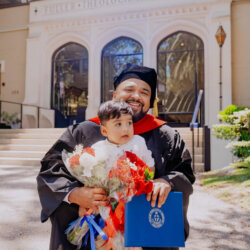
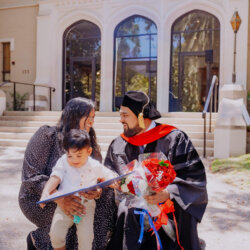
Dr. Lijo George is a pastor, teacher, mental health advocate, and graduate of Fuller Theological Seminary. His doctoral research focused on equipping South Asian churches in North America to address mental health through biblically grounded and culturally relevant pastoral care.